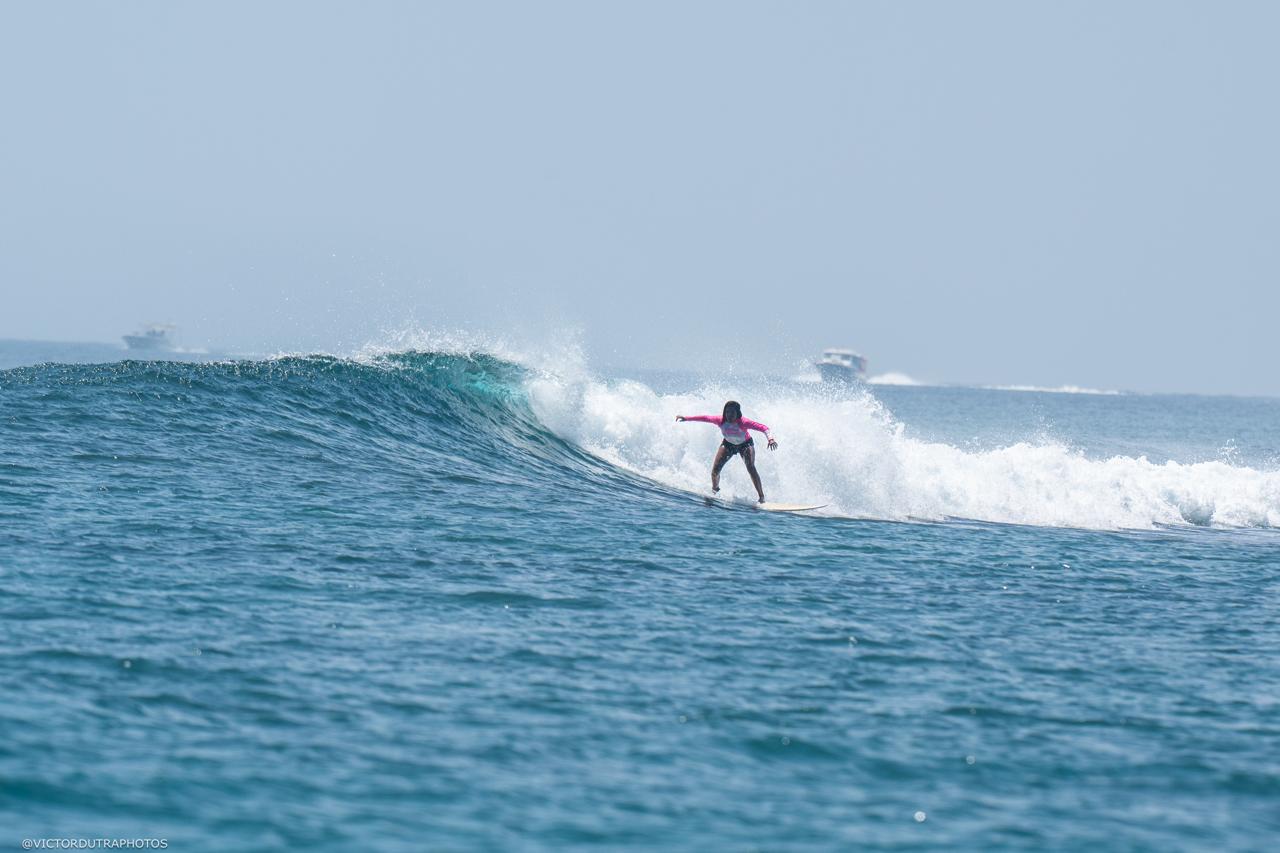
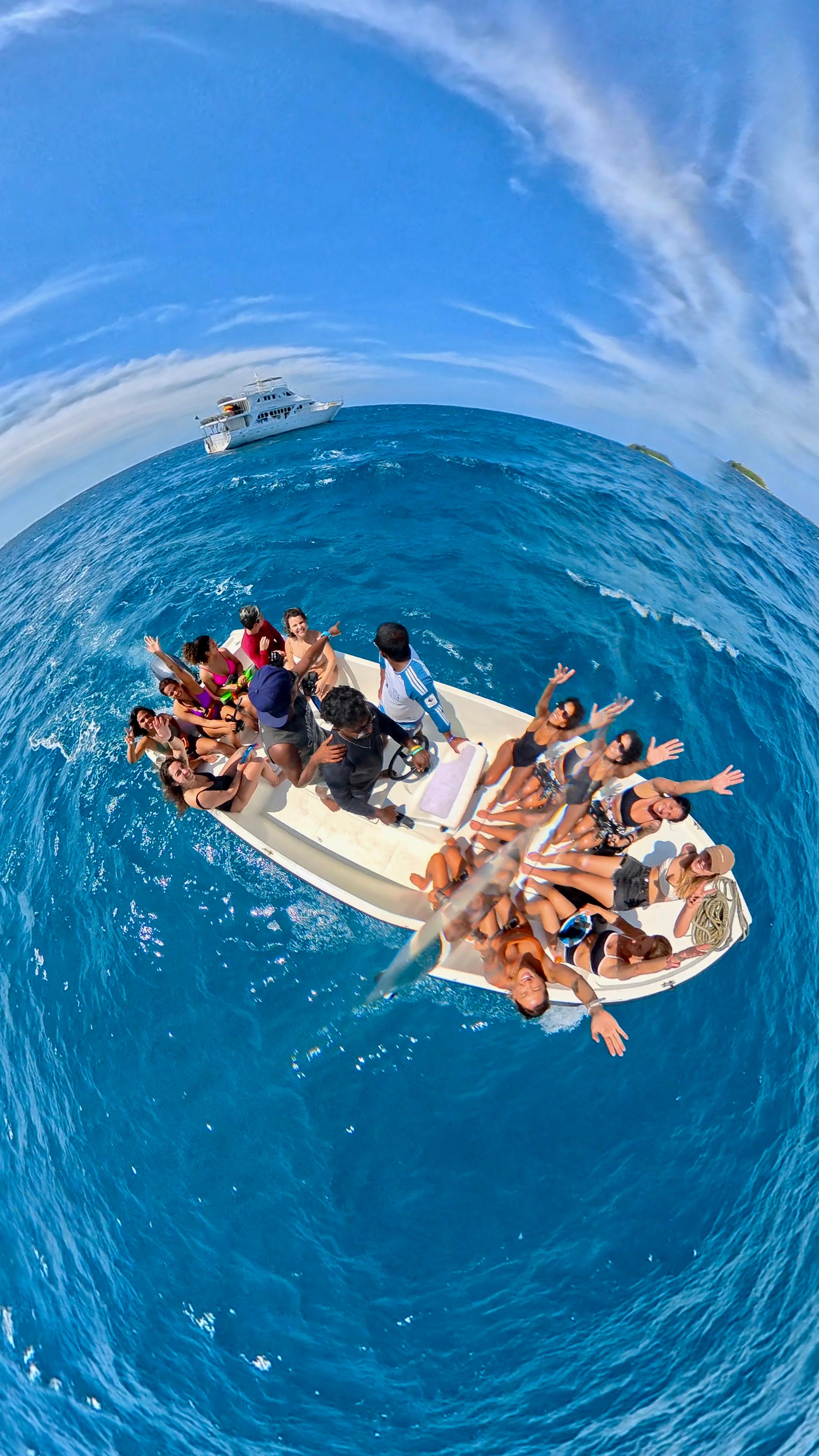
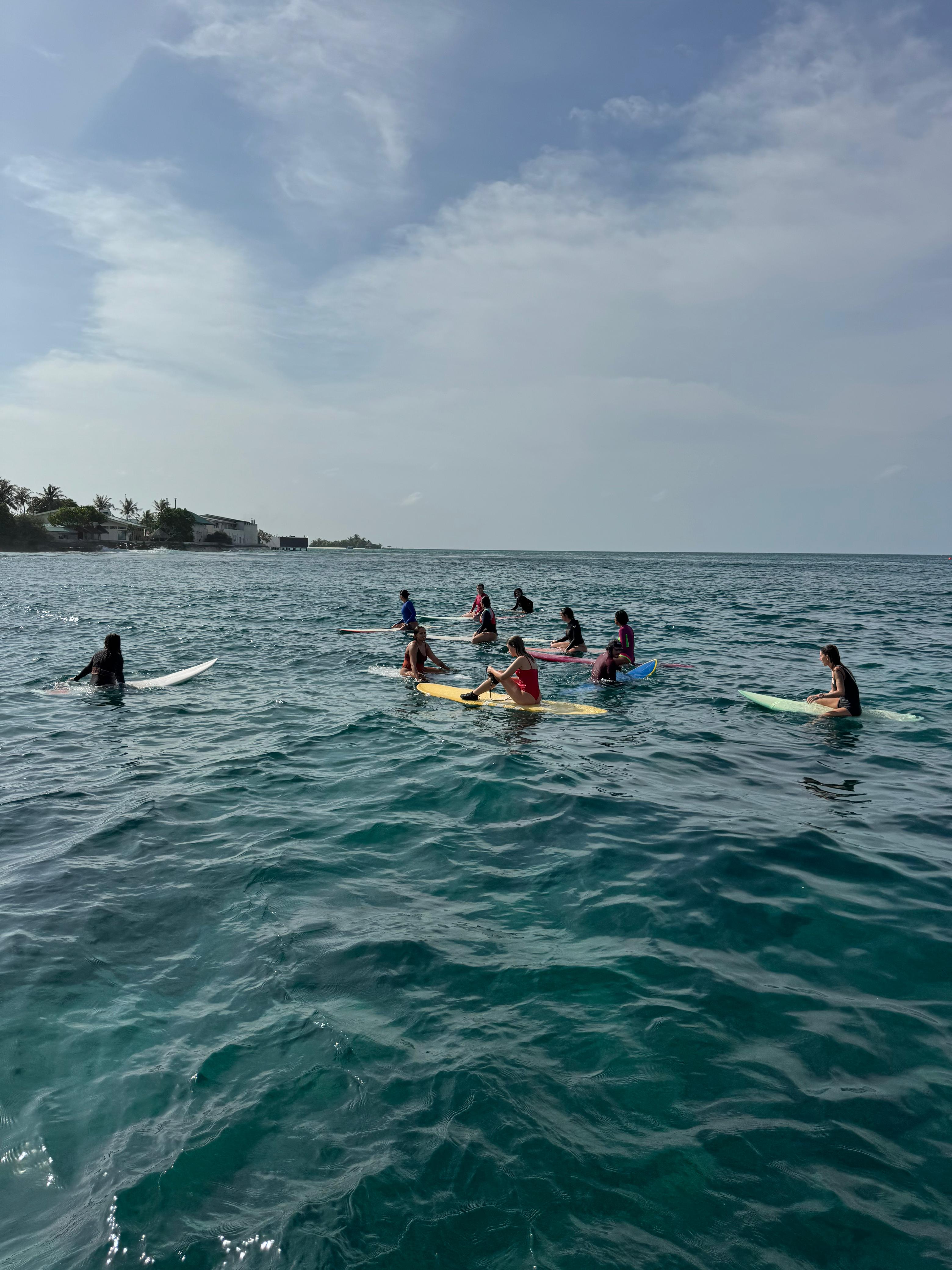
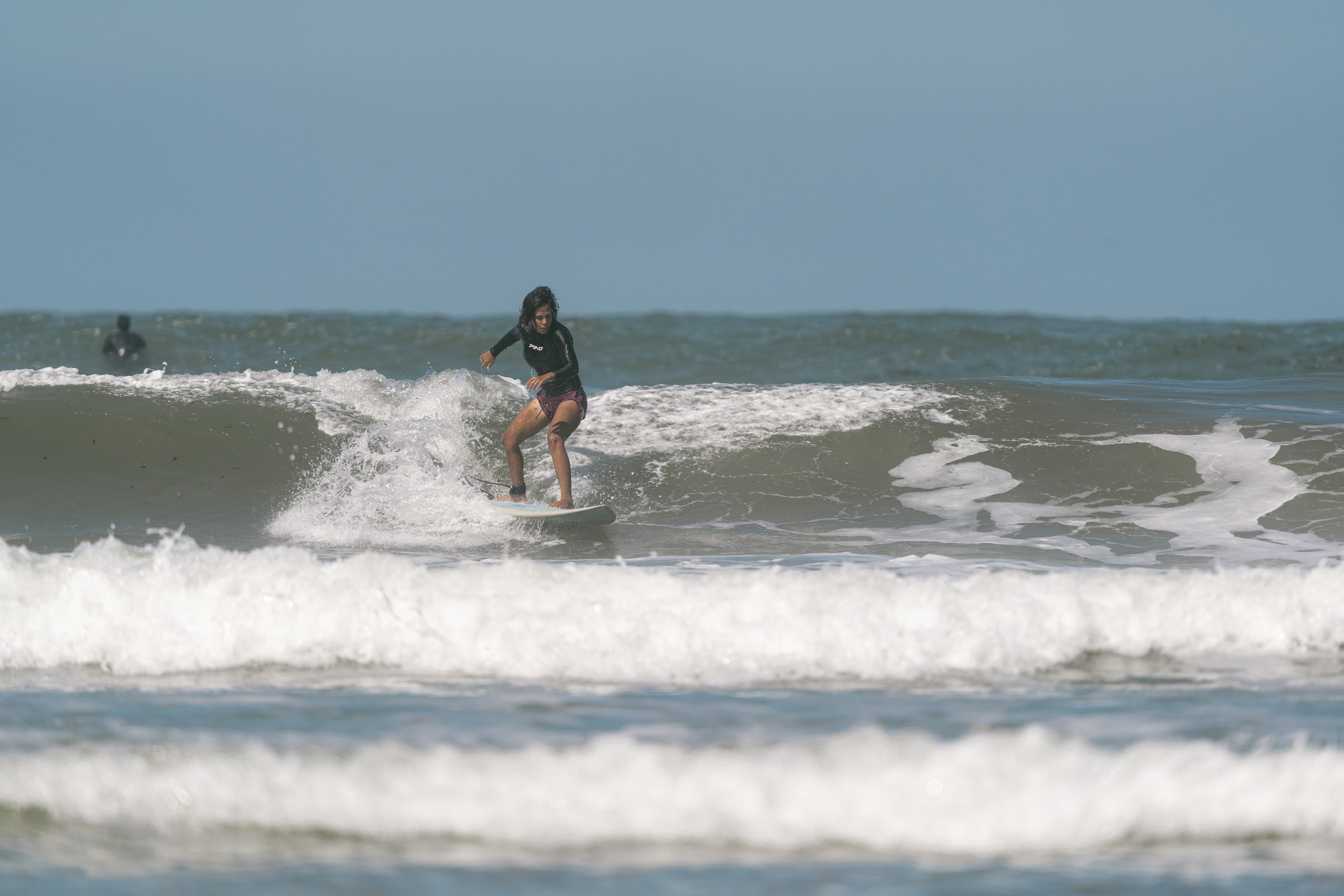
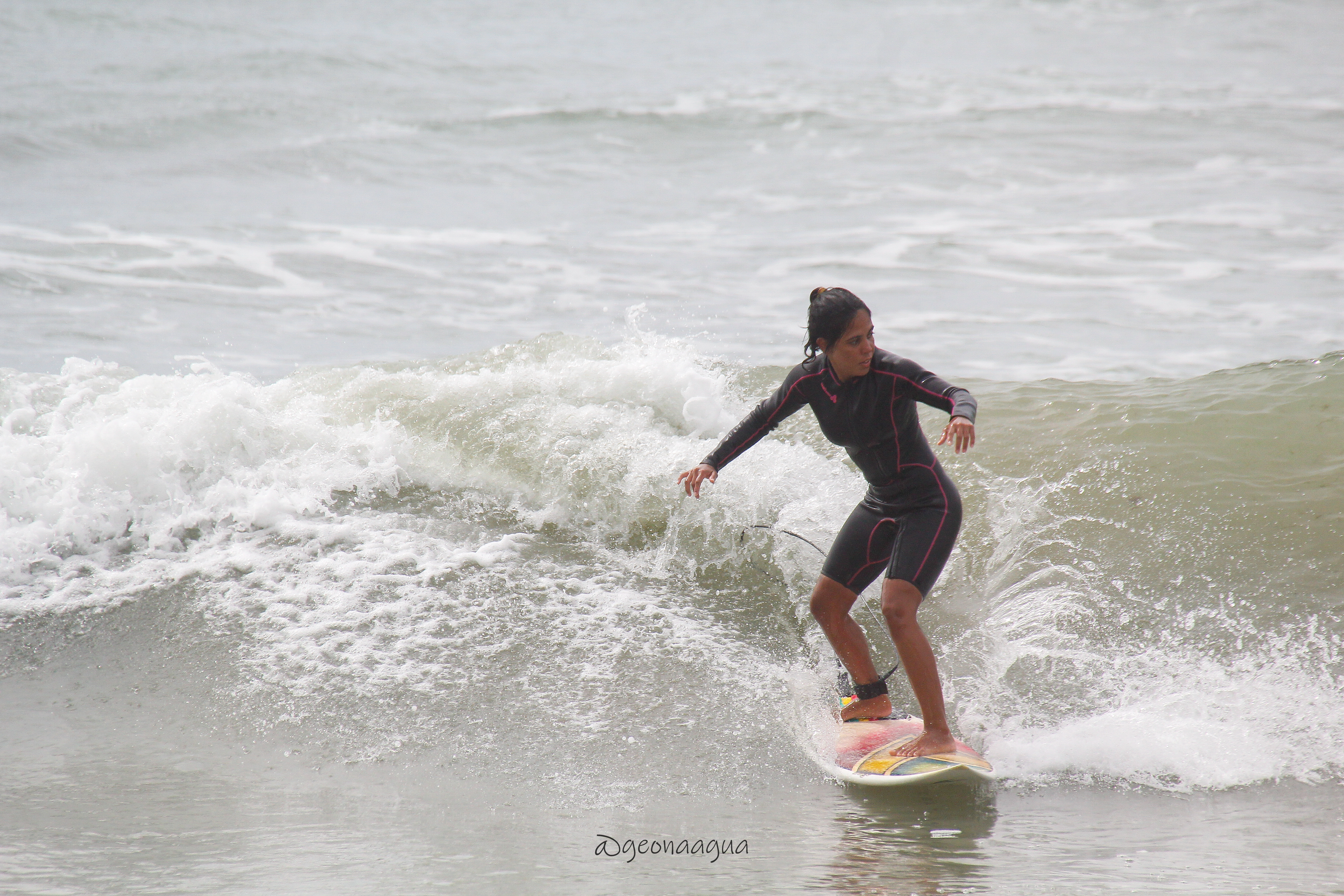
I bought my first (and only) surfboard in 2014, during the championship when Medina won his first world title. I was young, lived 50km from the beach, had no job and no driver’s license. My surfing trips were sporadic to say the least; there wasn’t much to say about my skills other than I could swim. Then I got a job, finished college, got into a masters, and focused on other stuff. For years the surfboard hung on the wall at my parents’ place as decoration. Last year I decided to use it.
Just to be clear: I was never a surfer. I had one class before 2025, and the other times I tried I was on my own, with my extremely short board getting pounded by small waves, not able to stand up at all. The only thing I had was courage, especially in a place well known for shark attacks (don’t think too much about it; we surf a safer area).
Getting back at it years later, older and not fit, was the story of my 2025. I started from zero on a bigger board, learning how to drop, how to position, how to balance, how to paddle. I went to a beach with small waves and had some classes with a coach who had multiple boards, so I could step by step move to smaller ones. However, I don’t want to talk about the surfing itself. I want to talk about what it’s like to learn something new when you’re older.
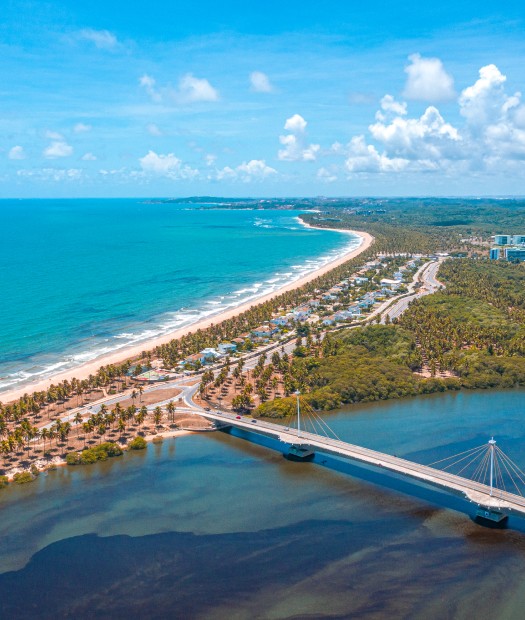
My paths were forever changed. I need to make a note of it.
New ways to be happy
Through surfing I found a new version of me. It changed my priorities, my preferences, and my lifestyle completely. After a year, I can say that I eat better, train harder, am more fit, and less stressed than in any other period of my life. Life has a different taste. There are very few things as good as riding a wave. It’s like flying, walking on water, I was starstruck. It’s a magical thing when you finally get it right.
I was not much of a traveler but after this, I found myself searching for surf trips all around the world. I went to trips without knowing anyone, slept with unknown girls from different parts of Brasil, and by the end of the year I took a huge leap of faith (and financial irresponsibility) and went to a 8 days surf trip in the Maldives. I was so inspired by people that share the same passion for surfing and it really showed me that there are different ways to live and that they are possible for me.
Frustrations
But it’s not all sunshine and rainbows. Diving into the sport comes with challenges and internal changes. For me, I’m competitive to the point that I have to keep convincing myself to slow down, even that I’m still learning how not to compare my progress with others, trying to not count how many good waves other people got while I’m taking fall after fall.
Comparison is the joy killer, it’s the worst thing you can do as a beginner. You will always be surfing with people you don’t know, how long they’ve been at it? Mystery and even if you did, progress isn’t linear, in surfing especially. You can have session after session with no visible improvement, and then out of nowhere something clicks. Progress it’s not like a staircase, like it is when you’re learning something technical (like development). It’s messier. A lot of downs, not a lot of ups. It’s frustrating to train hard, go out, and then get injured, you’re out for weeks. Or you go into a session and you can’t make it to the outside, because you don’t have the paddle endurance, or you can’t duck-dive well enough. Still learning to accept it, learning not to turn this into a obligation is slow and ongoing process.
Awareness
I was (still am) into tracking any type of information about my personal life, you can easily find some post about it in this blog. However, I found myself tracking less this year, while at the same time feeling more connected to my body than ever before. No need for a smartwatch to tell me how was my sleep, I just know and well as I know what can be a performance drag/boost.
There is a second facet to awareness that enables your surfing. You need to be very intentional with your movements or you need a strong intuition for what’s the right thing to do (talent they say). This includes to really think about what each move requires and practice outside the water over and over and over. It also includes to break a lot of instincts and fixing bad habits. A simple instructions such as “keep your legs together while paddling” becomes extremely hard to follow.
Shame
One thing you face when you start something new when you’re older: you kind of look stupid doing it. Your body isn’t used to the movement yet, your mind doesn’t have anything figure it out, everything is new. You think you’re doing it right, then you see yourself on video and it’s just… wrong. Watching myself paddle at the beginning was one of the most humbling experiences I ever had. I was all curved, couldn’t just stay stable on the board, had a lot of trouble moving my arms. It looked wrong. Acquiring the technique takes time and I’m still not even close to being good at it.
Fear
During the process, I learned a lot about myself. The point that resonated the most with me was that in my mind I always thought saw myself as a cautious person, not afraid, not scared, but cautions. Surfing taught that fear is constant part of my life. While training and testing out different breaks and conditions, I saw myself being in perfect conditions to just take a wave, drop in, and ride it, and I’d pull the nose out. I’d let it pass me, not paddle hard enough. I’d look down, see a big hole, see the size of the wave and I get too scared to try. I never saw myself as someone afraid, someone not willing to go. It got to a point where I had to convince myself that I was gonna do it no matter what, that there were no downsides, the worst thing was falling on water. I’ve been falling a lot, so at least I know how to fall.
At the same time that I had this realization about my personality, my conscious mind was always in a mode of I need to challenge myself to get better. Forcing me to move pass the fear, so I could build the autonomy I needed in the water. At least I wanted to be able to paddle out on my own, to be in the ocean without being afraid. Here I went, to put myself in conditions that were hard for my level, nothing huge, but challenging for a beginner. In some ways that was a good strategy: I learned to paddle better, to breathe better, to not panic when I take a fall. However, I was constantly split between I need to be challenged to get better versus this is too much, I need to step back and feel safe.
Injuries
On the good side, I learned that I can push through the pain. However, on the bad side, in one year I stacked a lot of injuries from surfing and from training to get better at surfing. Most of them related to the fact that I’m not that young anymore so I takes longer for me to recover. I had two twisted ankles, muscular injury over the ribs that took about three months to heal completely, multiple cuts and bruises while having to deal with a preexisting shoulder calcification. Frustrations are hard, but being injured is worse, all feelings come together and you want to get better but you can’t train because you need to rest and heal. So you wait. And I’m not fond of waiting, of not doing anything.
While I was writing this I had an injury on my left hand and couldn’t type, so most of this post was dictated and some parts corrected by AI. I’m trying to allow myself to heal this time before getting back into routine, no more pushing through the pain.
I start the year full of plans, almost all of them include surfing. My goal is to head out to Nicaragua by the end of the year and ride some double overhead bombs. Let’s see if I can handle it. I end this post with a few pictures from this last year, wishing for more.